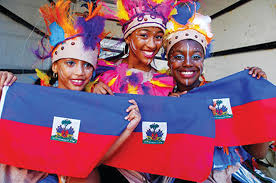
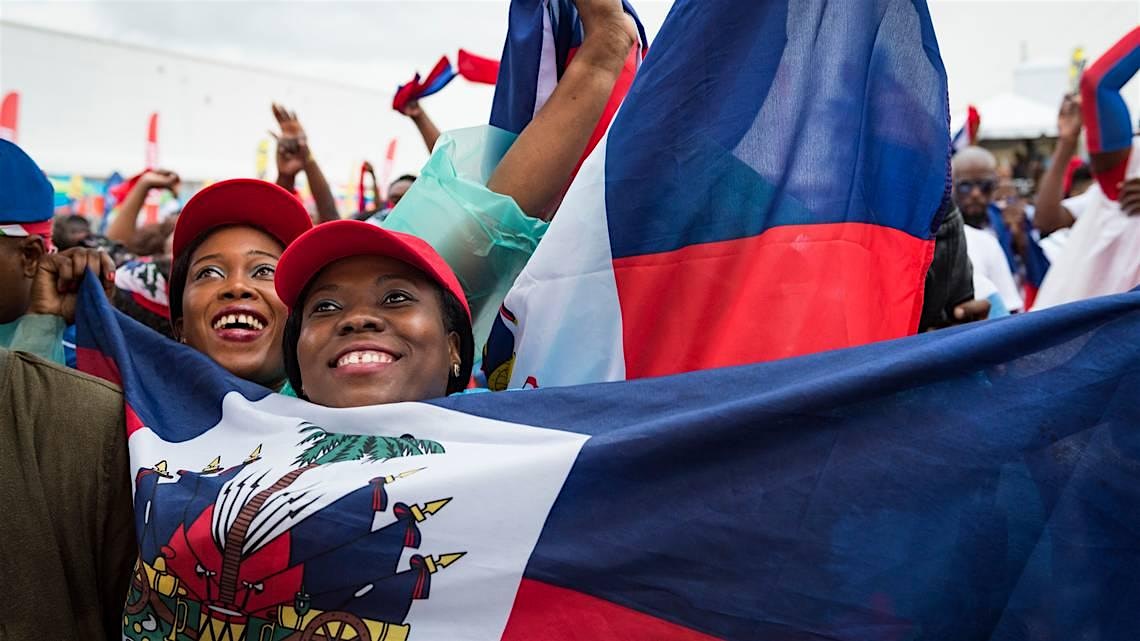
Christmas in Haïti is a holiday full of traditions, spirituality and moments of conviviality. Marked by religious celebrations, family feasts and unique cultural expressions, Haitian Christmas is a magical time that reflects the generous and festive soul of the Haitian people. This article takes you to the heart of Christmas traditions in Haiti.
For Haitians, Christmas often begins with religious celebrations. Most families go to church to attend midnight mass or special services held on December 24 or 25. These moments of prayer and song are an opportunity to reconnect with their Christian faith and celebrate the birth of Jesus Christ.
Traditional Christmas carols, often performed in Creole, occupy an important place in these ceremonies. They reflect both religious fervor and the richness of Haitian musical culture. Churches, decorated for the occasion, become community gathering places, symbolizing unity and peace.
In Haiti, Christmas is above all a family celebration. Families come together, often as early as December 24, to share a sumptuous meal. This moment of conviviality is a way to strengthen family ties and create unforgettable memories.
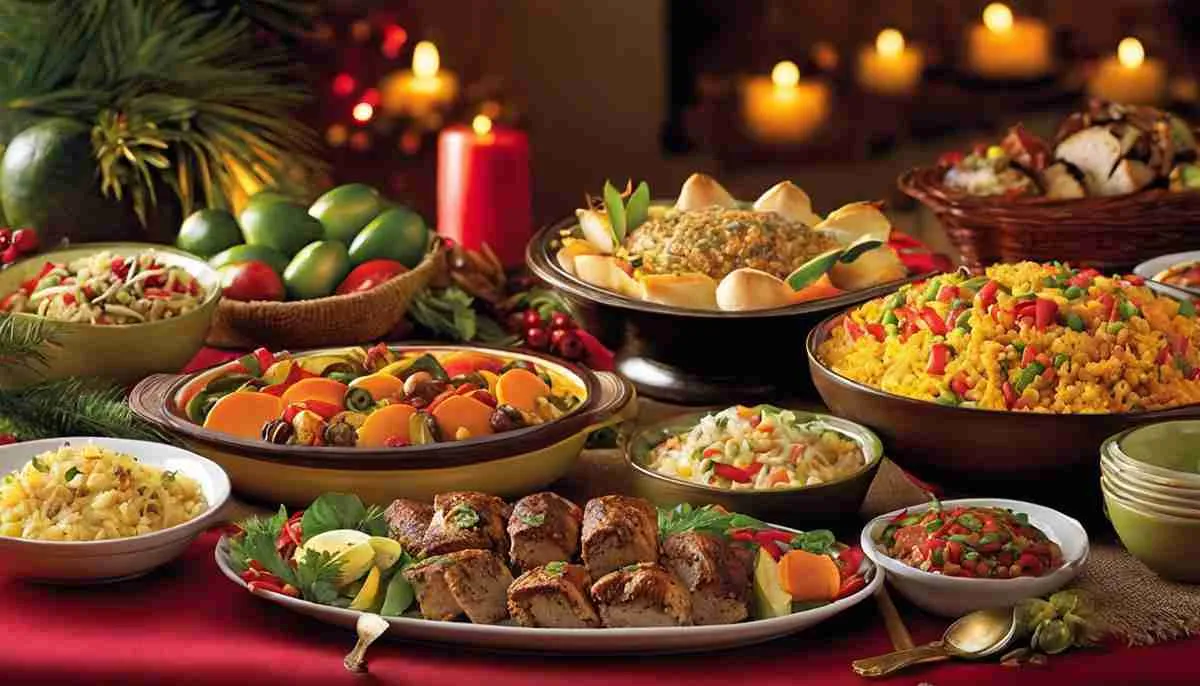
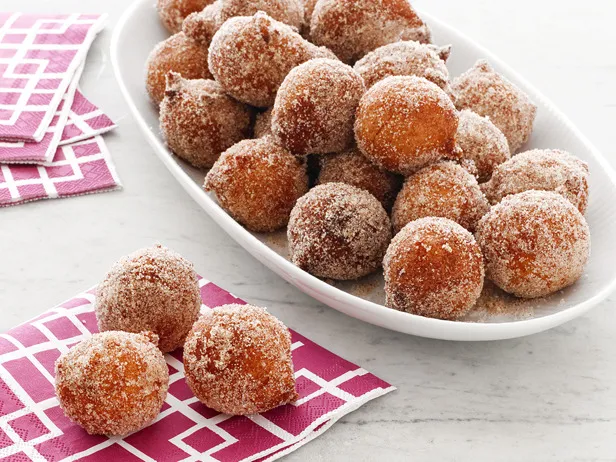
The Christmas meal is a feast that highlights Haitian cuisine. Among the most popular dishes are griot (fried pork), roast turkey, rice stuck to peas, bananas weighed, and desserts such as pain patate or rum cake. To accompany this feast, Haitians often enjoy the famous crémas, a sweet and creamy drink made with condensed milk and rum.
In many families, the meal is prolonged by lively discussions, laughter, and sometimes even singing or dancing. It is a time of sharing and joy, where everyone expresses their gratitude for the past year.
Christmas in Haïti is also a time marked by a strong spirit of solidarity. Haitians take advantage of this holiday to help the less fortunate. Churches, associations and even individuals organize collections or community meals to ensure that no one is left behind during the holidays.
Children play a central role in this generosity. It is common for families to give symbolic gifts to the youngest, often in the form of toys or clothing. In some neighborhoods, children sing Christmas carols in the streets, receiving sweets or small contributions in return.
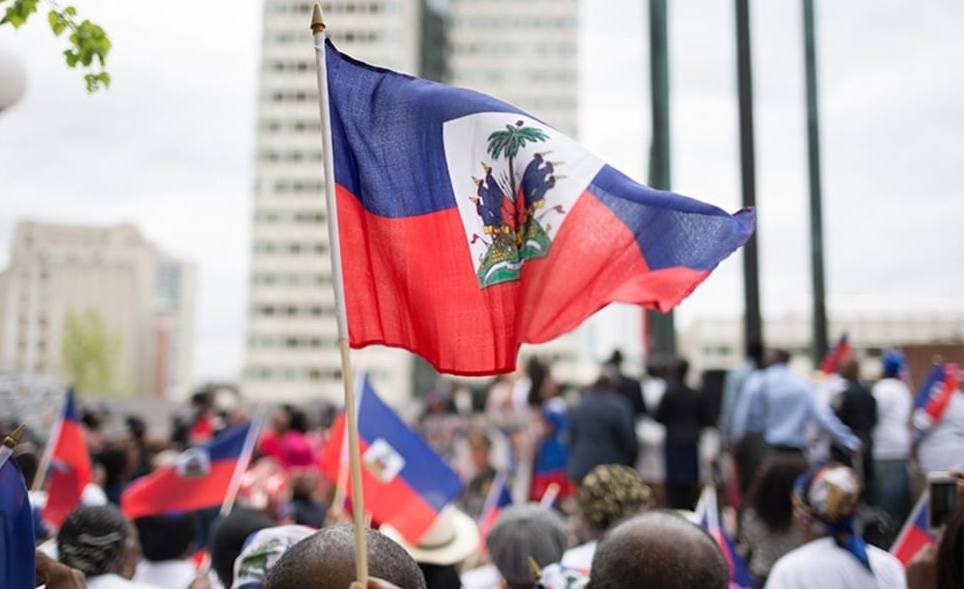
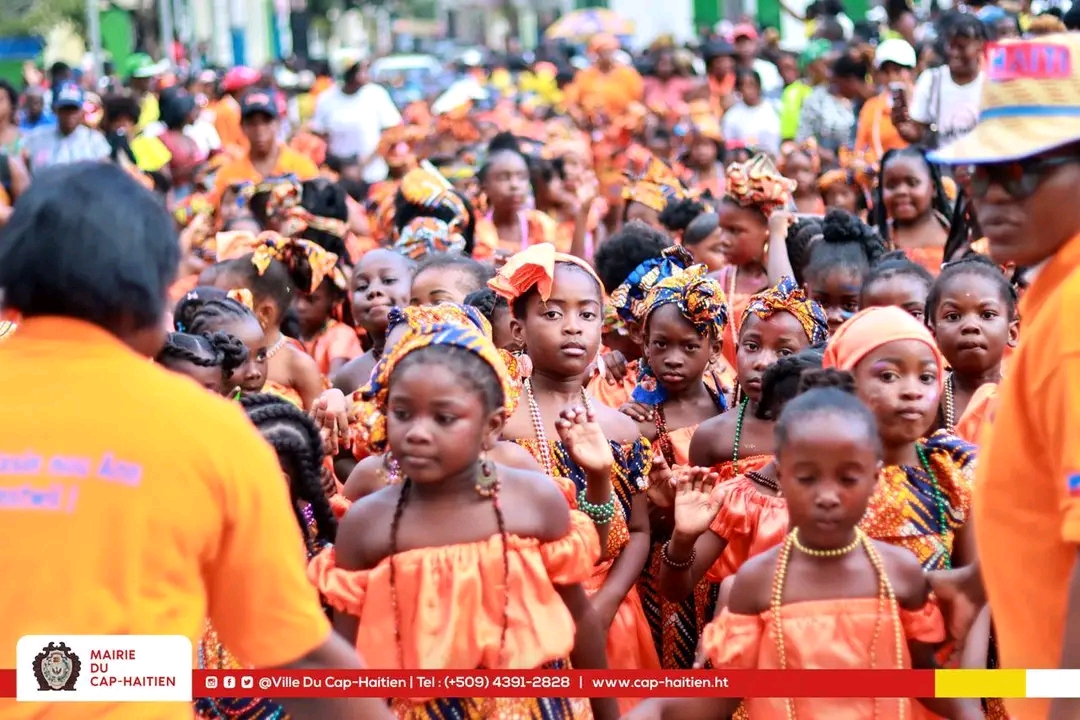
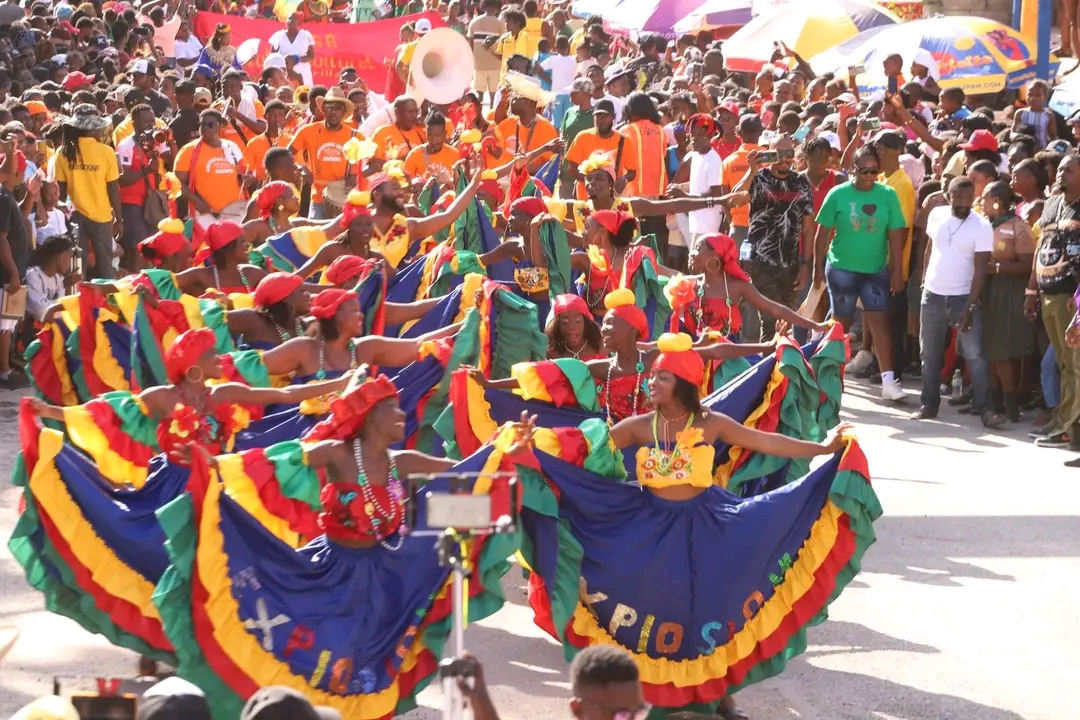
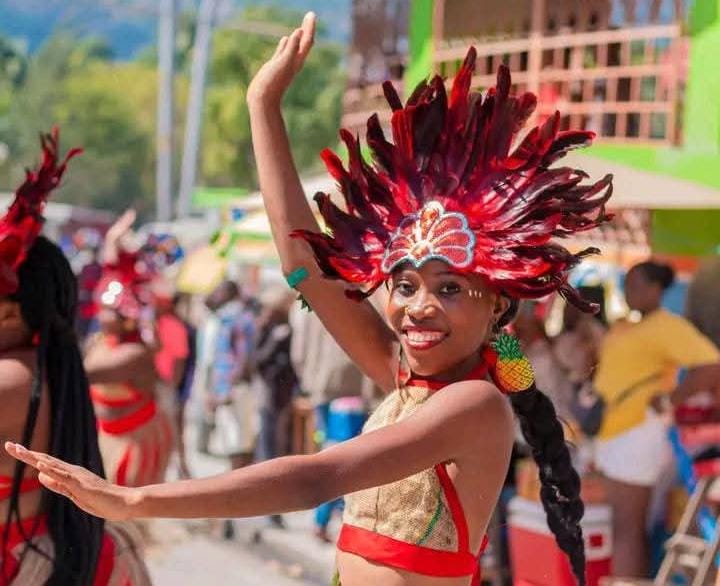
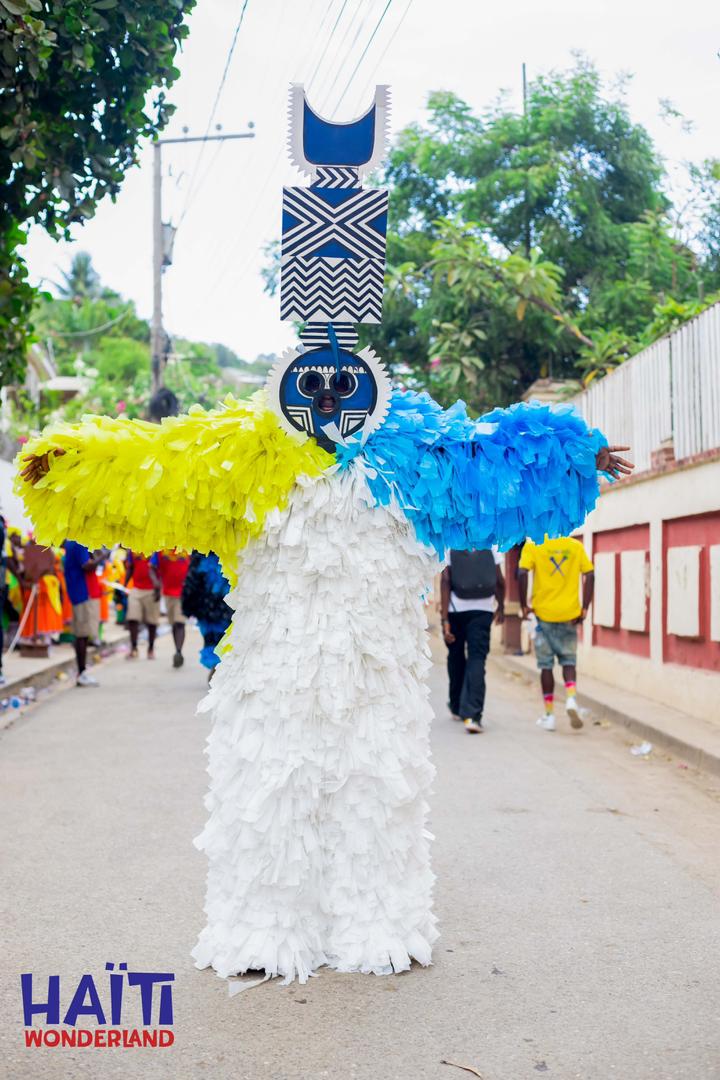
In Haiti, Christmas is not limited to a single day. The entire holiday season is animated by traditions and celebrations. Christmas markets, music concerts, and dance parties add a festive atmosphere to cities and villages.
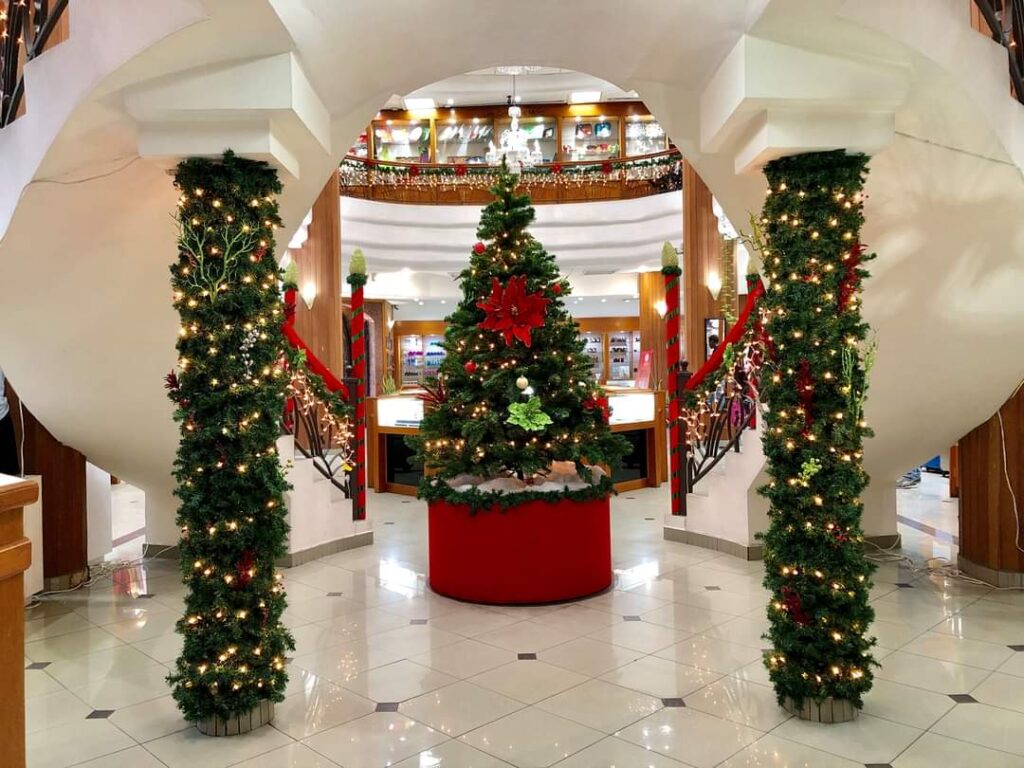
Christmas decorations are also present. Although modest in some regions, they are nonetheless full of charm. Houses are decorated with fairy lights and, sometimes, improvised Christmas trees, often made from local materials.
In Haitian culture, Christmas is also an opportunity to tell stories, pass on local legends, or revisit biblical stories around the nativity. These moments of storytelling strengthen intergenerational bonds and preserve cultural traditions.
Christmas: A Celebration That Brings People Together and Inspires
For Haitians, Christmas is a celebration that goes far beyond gifts and feasts. It is a time when faith, family, and generosity take on their full meaning. Celebrations, whether modest or grandiose, are always marked by a deep respect for traditions and a spirit of unity.
Between time spent in church, meals shared with family, and solidarity initiatives, Christmas in Haïti is a celebration that perfectly illustrates the values of community and human warmth specific to the Haitian people. It is a time when everyone, rich or poor, celebrates hope, peace, and the joy of living.
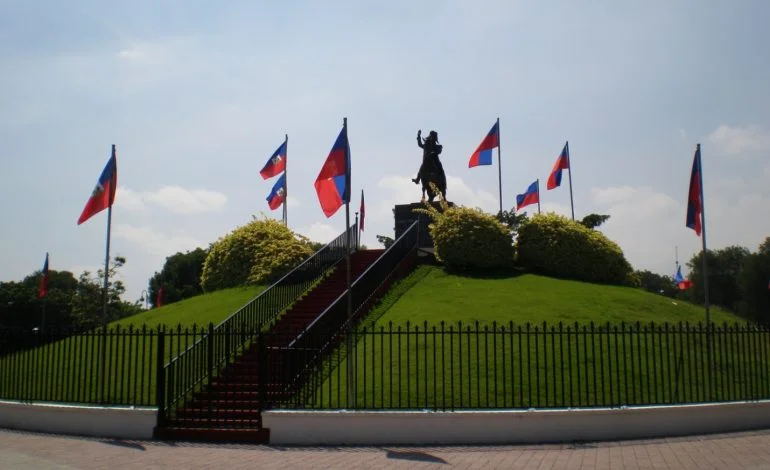
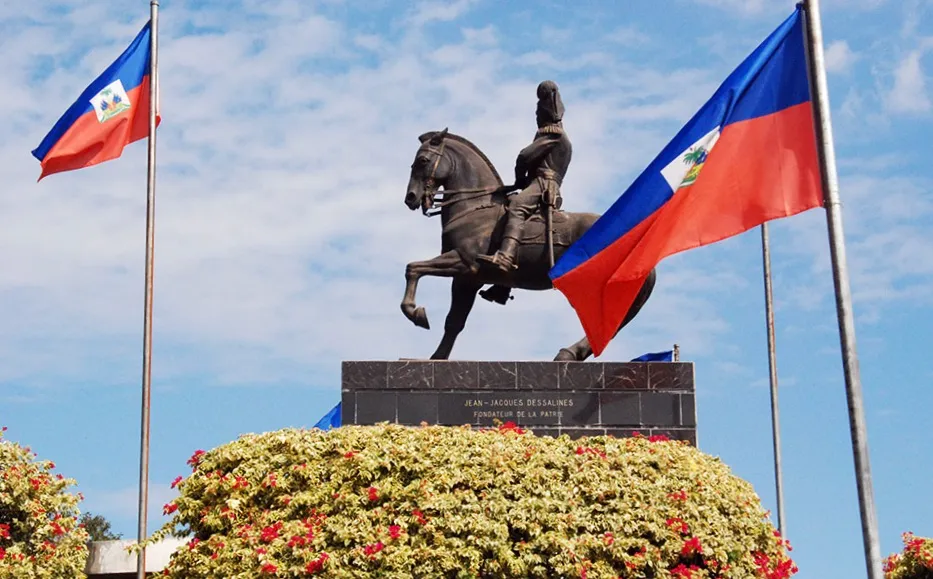
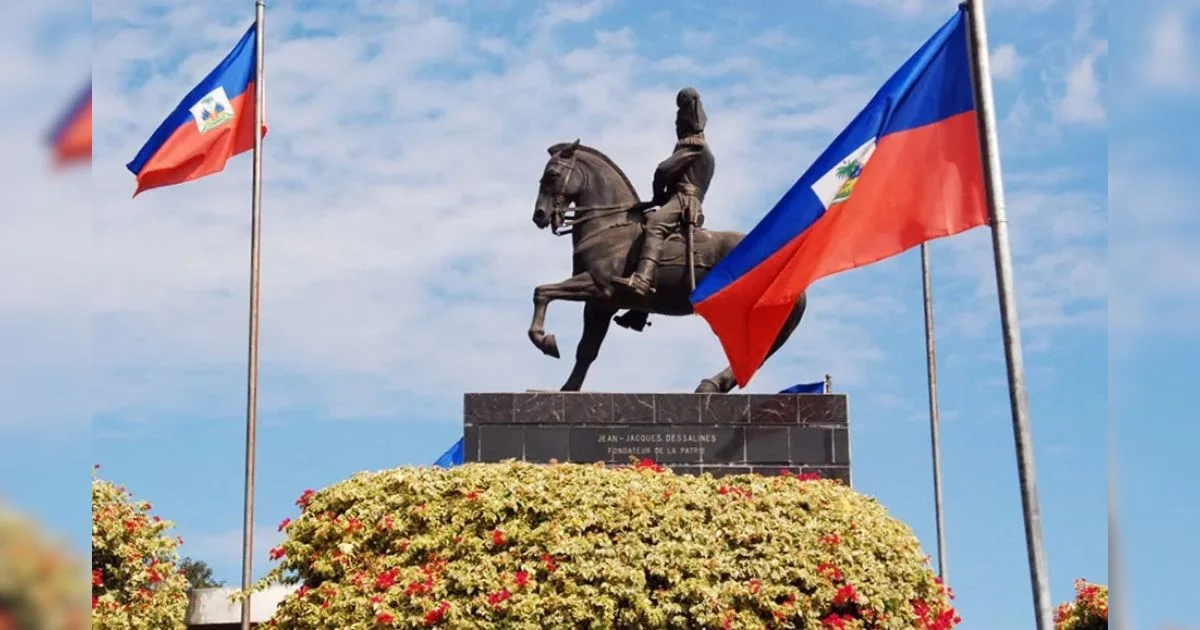
Primera nación negra en liberarse de la esclavitud y obtener la independencia de Francia en 1804 e influyó en otros movimientos de liberación en todo el mundo, inspirando luchas por la libertad y la igualdad.
Belleza natural
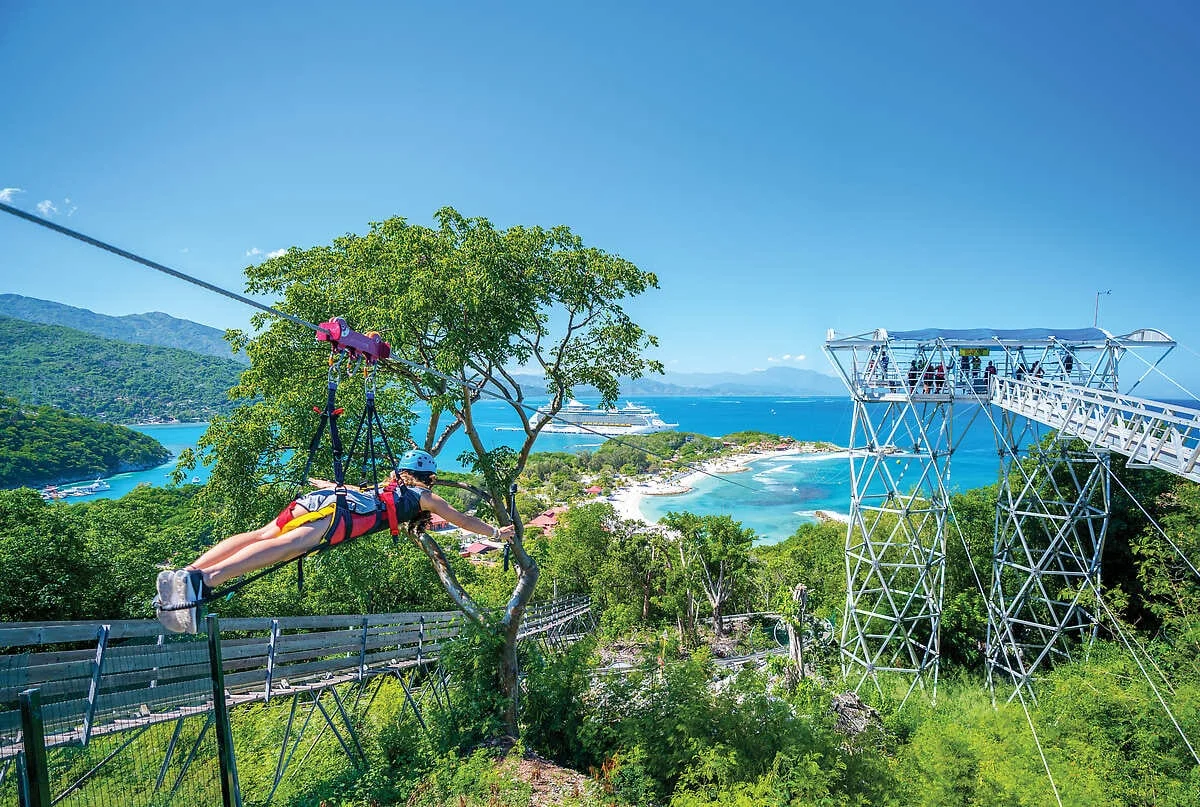
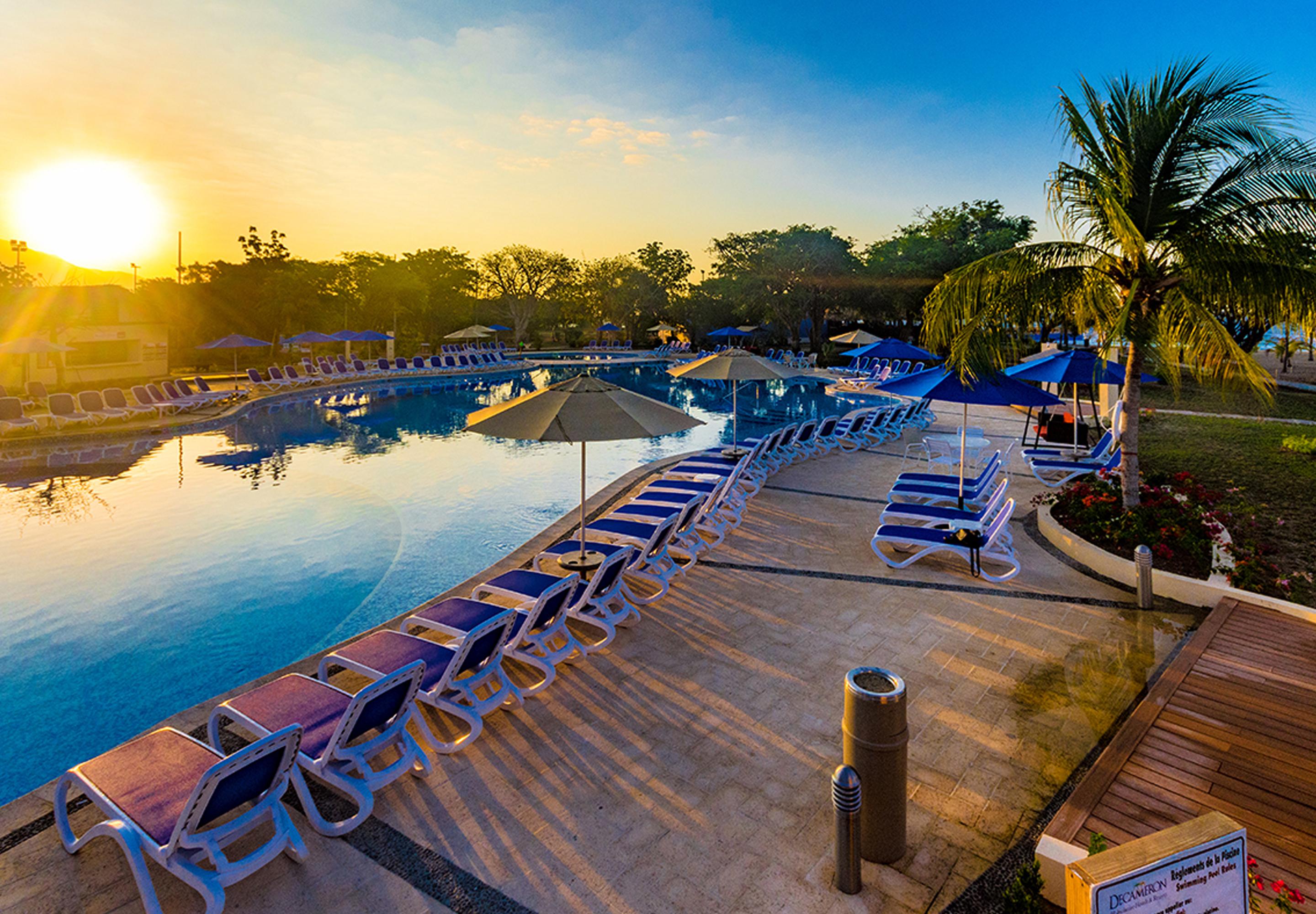
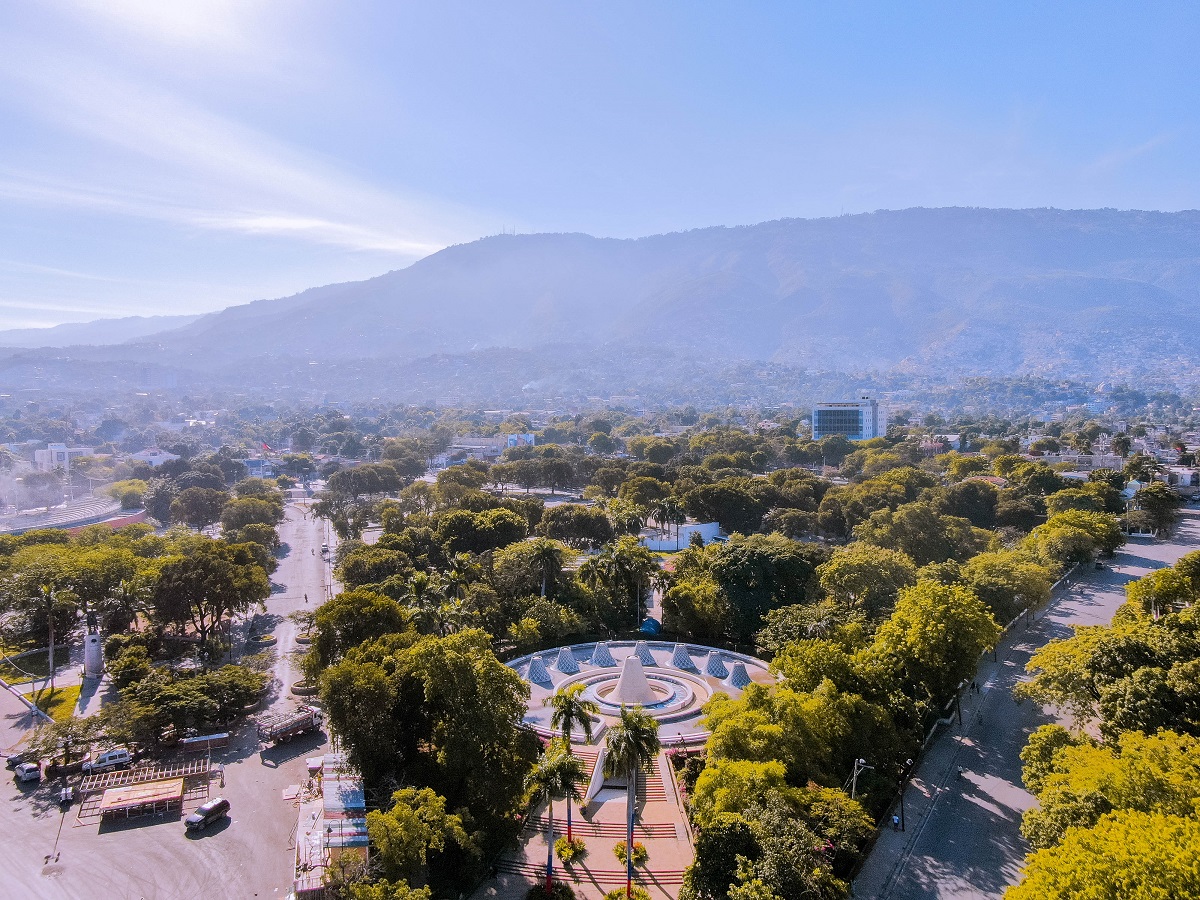
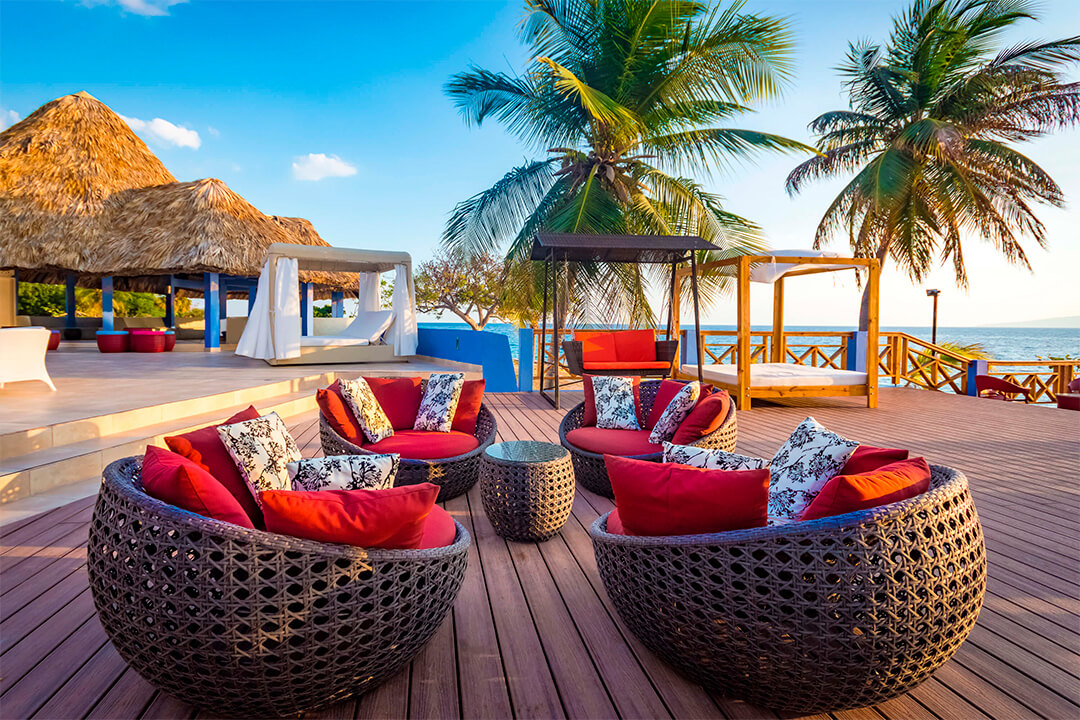
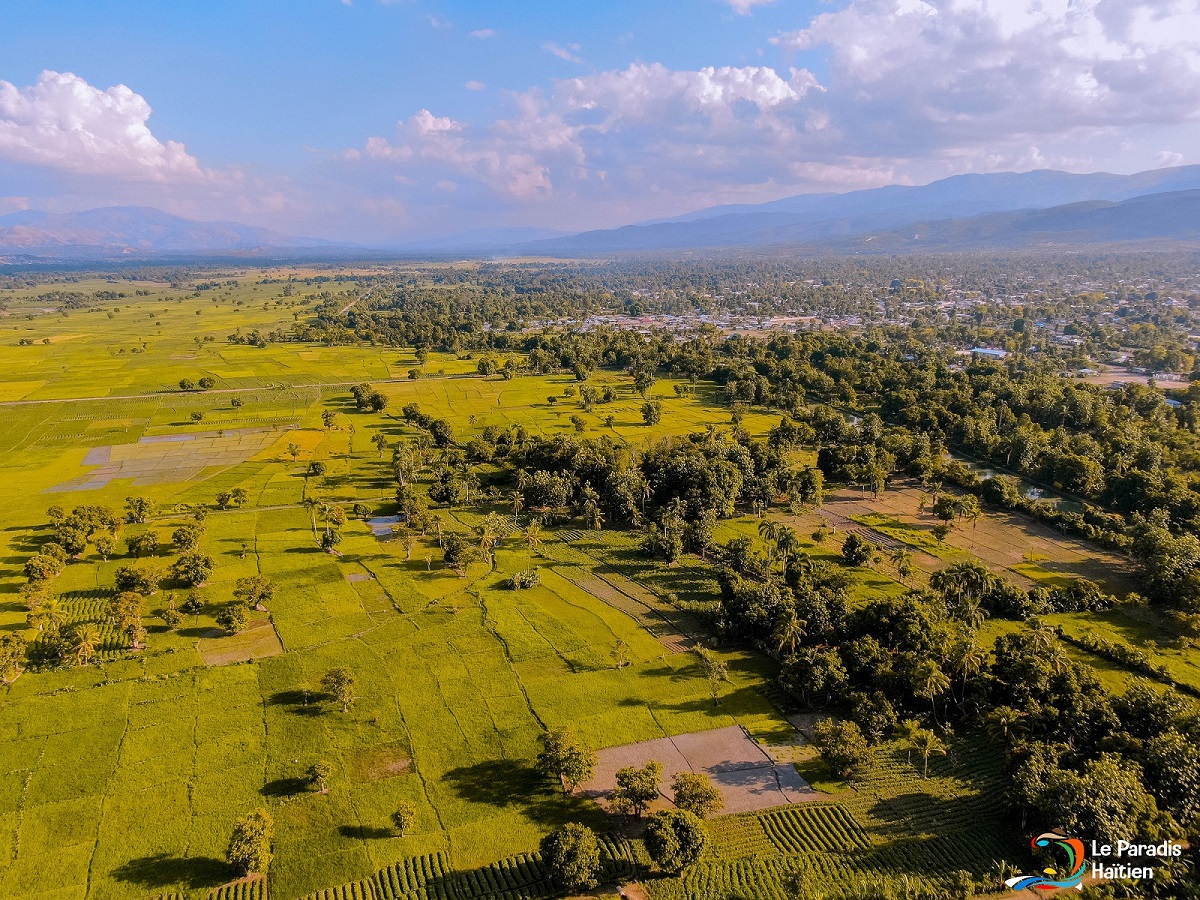
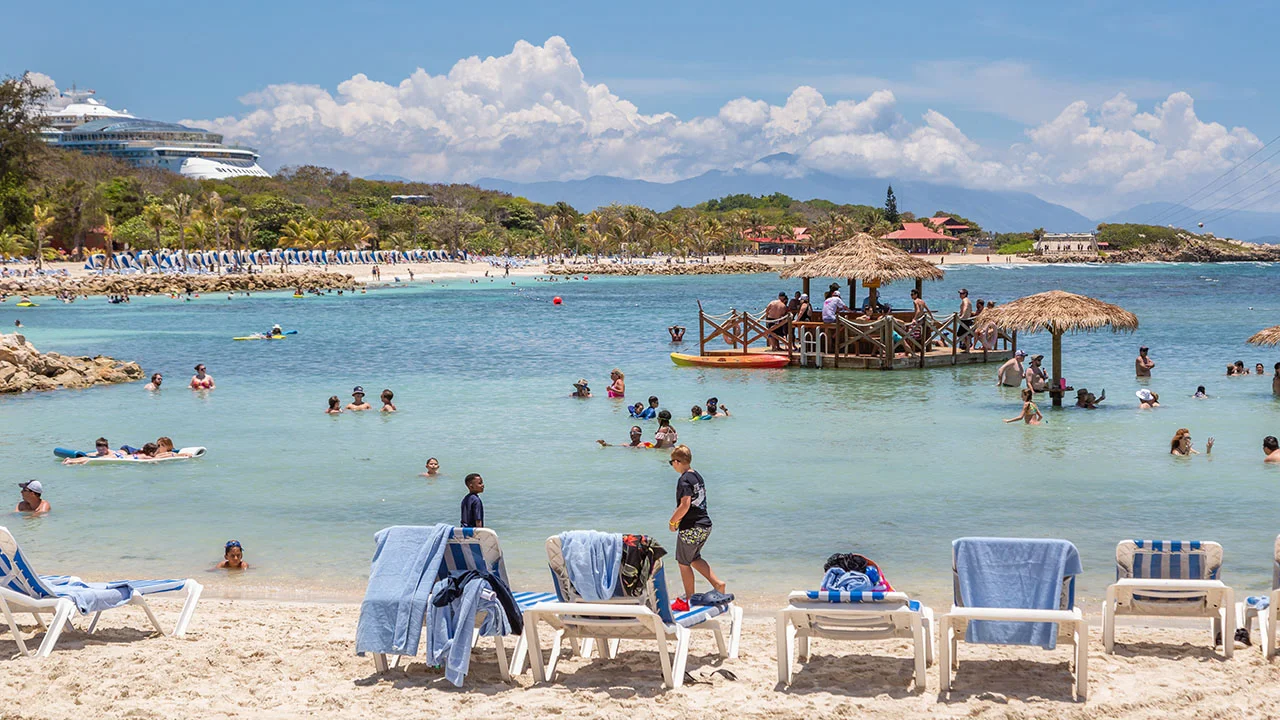
Haití ha sido bendecido con espectaculares paisajes naturales, que incluyen playas de arena blanca, montañas y una rica biodiversidad.
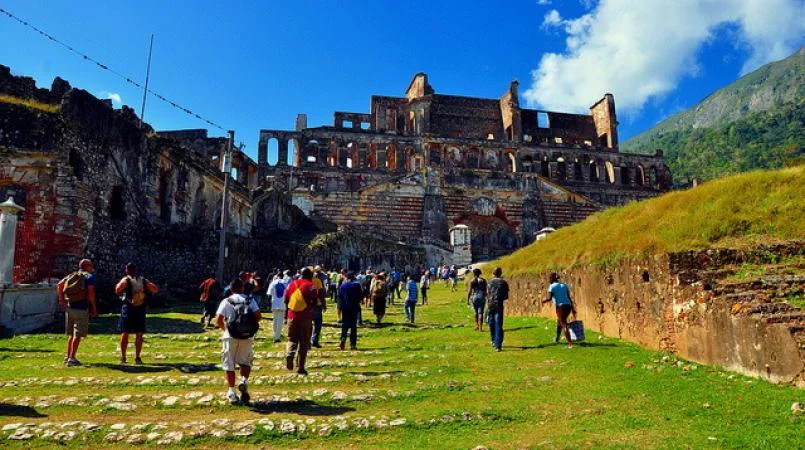
Herencia
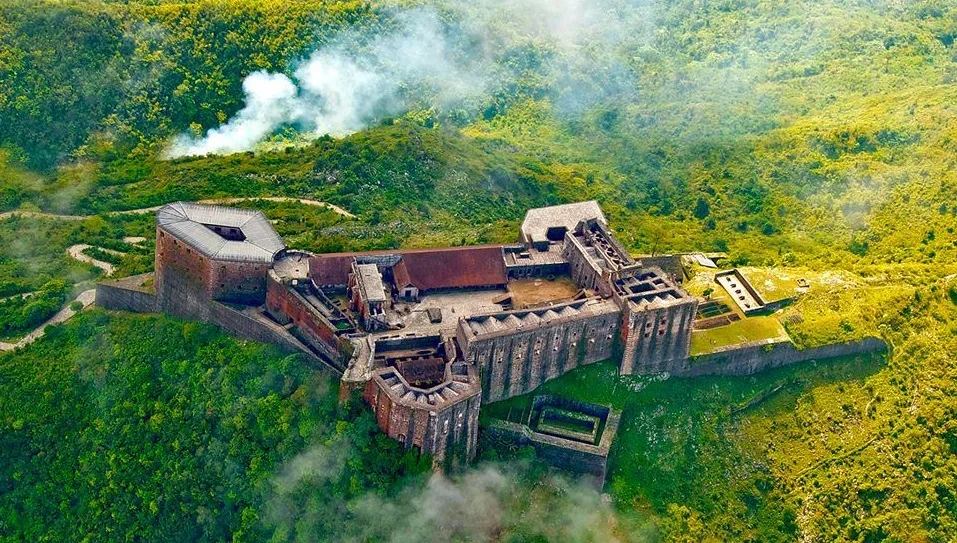
Haití tiene un rico patrimonio histórico, que incluye sitios como la Citadelle Laferrière y el Palacio Sans-Souci, catalogados como Patrimonio de la Humanidad por la UNESCO.
Cultura
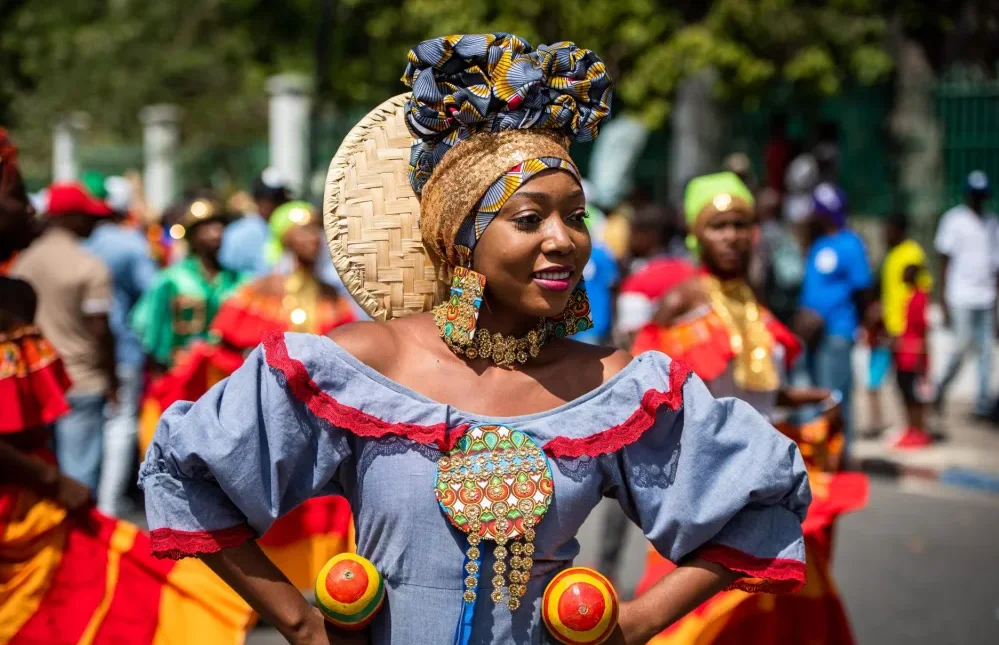
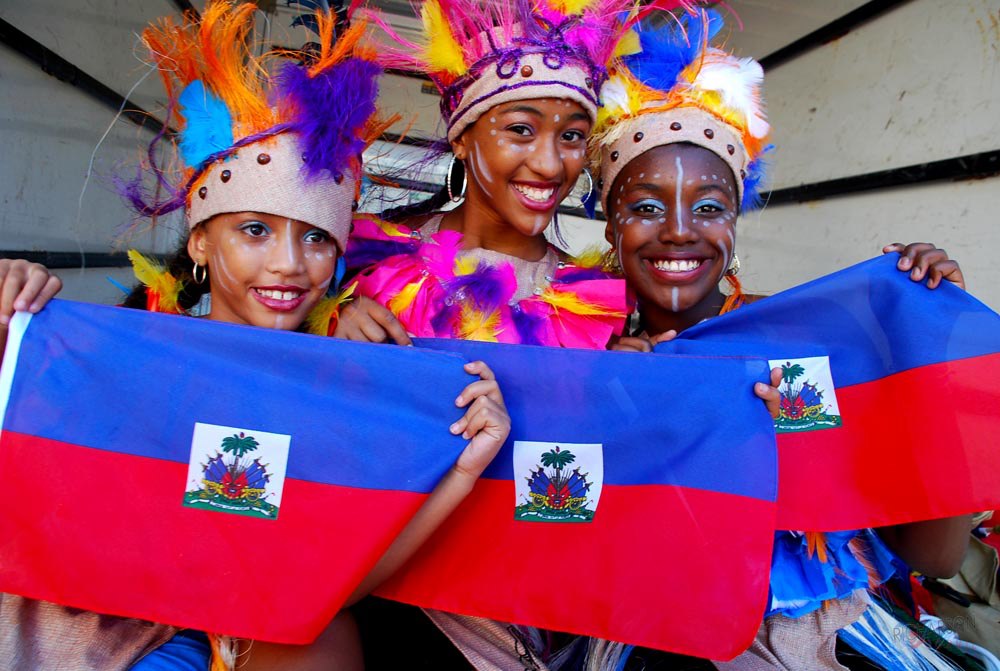
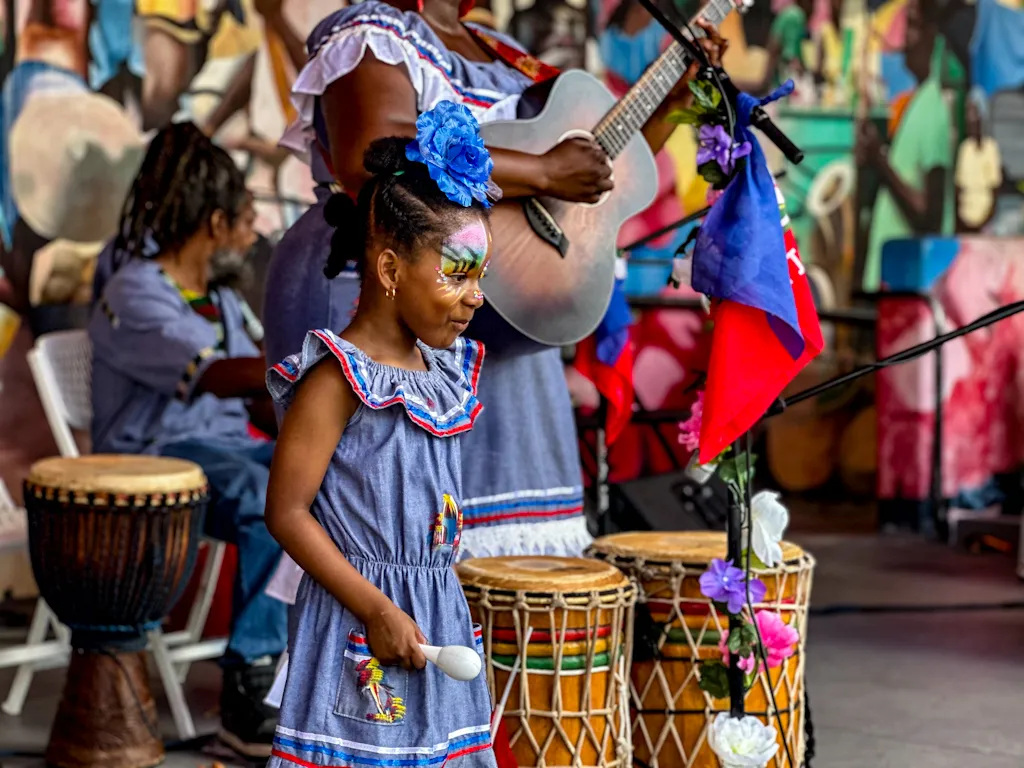
Haití tiene una cultura rica y diversa, influenciada por elementos africanos, europeos e indígenas. La música, la danza, el arte y la cocina haitianas se celebran en todo el mundo.